Studying English presents unique challenges for students with Specific Learning Disabilities (SLDs), requiring personalized approaches to learning. This article delves into effective strategies and compensatory tools to make learning English accessible and rewarding for individuals with SLDs. We will explore the specific difficulties faced by these students, examine beneficial compensatory tools, and present five effective strategies for mastering the English language.

Difficulties Faced by Students with SLDs in Learning English
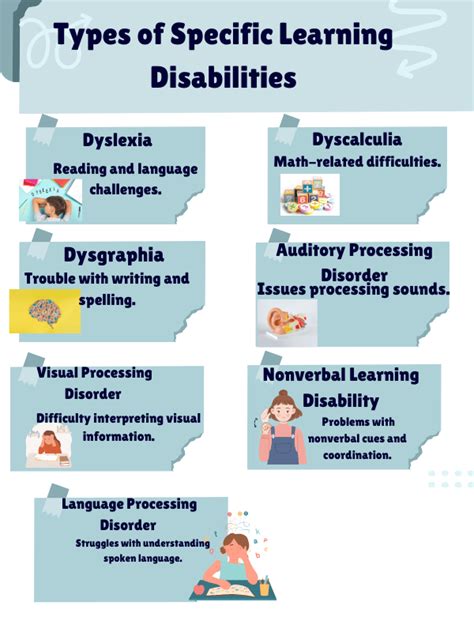
Students with SLDs encounter a range of obstacles when learning English, which can be amplified by the inherent characteristics of the language. These difficulties manifest in various aspects of language acquisition, including reading, vocabulary, and grammar.
Challenges in Reading English Texts
Students with SLDs often struggle with word decoding and comprehension of written texts, regardless of the language. In English, these challenges can be exacerbated by the language's phonetic peculiarities, such as similar sounds represented by different spellings and vice versa. The visual processing often affected in dyslexia can further impede the rapid recognition of words.
To overcome these reading difficulties, specific strategies can be employed. These include the use of visual aids, listening to audiobooks, utilizing assistive reading technologies, and adopting specialized teaching methods. It is paramount that individuals with learning disabilities receive tailored support to navigate the complexities of reading and understanding texts, irrespective of the language.
Difficulties in Learning English Vocabulary
The challenges in acquiring English vocabulary for individuals with SLDs stem from several factors related to the English language itself and the cognitive profiles associated with these disorders.
One significant factor is the complexity of pronunciation. English exhibits a rich phonemic landscape, where various sounds are represented by different letter combinations. Students with SLDs may find it difficult to accurately associate sounds with letters, making word decoding and memorization more arduous.
Memory plays a crucial role. Learning disabilities can impact working memory, which is essential for temporarily holding information during the learning process. For instance, in cases of dyslexia, impaired visual processing can hinder the memorization of word forms, slowing down rapid word recognition.
Furthermore, contextual understanding can be a hurdle. SLDs can make it more difficult to grasp the context in which words are used. Since understanding context is vital for learning word meanings, this difficulty can impede vocabulary mastery.
Finally, ineffective learning strategies can contribute to the problem. Students with SLDs might resort to less effective memorization techniques, such as rote repetition, which may not be as beneficial for complex English vocabulary. Therefore, adopting a different approach is often necessary.
Difficulties in Learning English Grammar
Learning English grammar rules can be particularly challenging for individuals with SLDs, often linked to specific cognitive and linguistic challenges associated with dyslexia.
The complexity of grammatical rules in English, including numerous exceptions and intricate syntactic structures, can be overwhelming. Students may struggle to manage this complexity, finding it taxing to memorize and apply grammatical rules consistently.
Difficulties in word decoding also play a role. Individuals with learning disabilities may face challenges in reading words and processing written information visually. This can affect their comprehension of verb conjugations, punctuation, and other grammatical elements.
Understanding syntax requires advanced cognitive processing to grasp sentence structure and the relationships between words. Students with SLDs may find the analysis and comprehension of these complex structures more demanding.
To address these challenges, it is crucial to implement personalized teaching approaches that cater to the specific needs of students with SLDs. The strategic use of compensatory tools can pave the way for a more natural and less strenuous learning experience in English.
Common Errors in English by Non-Native Speakers… and how to avoid them!
Compensatory Tools for Learning English with SLDs
A variety of compensatory tools can significantly aid students with SLDs in their English studies, making learning more accessible and effective.
- Tables and Charts: These visual aids can be invaluable for organizing information, such as lists of irregular verbs, and can be used even during assessments.
- Mind Maps and Concept Maps: Both in class and during homework, mind maps and concept maps can simplify the learning process. These tools are not only effective for understanding and retention but are also permitted during tests, quizzes, and exams according to school regulations.
- Flashcards and Highlighters: Utilizing flashcards and highlighters can help focus attention and facilitate vocabulary memorization. Creating personalized flashcards, whether hand-drawn or printed, can be a highly engaging activity.
- Grammar Rule Notebook: A dedicated notebook for grammar rules can provide clear, visual summaries of rules, practical examples for application, specific practice exercises, organized structures for easier comprehension, memorization strategies, and space for personal notes and further exploration.
- Speech Synthesis (Text-to-Speech): This powerful tool allows students to access information auditorily, overcoming visual reading difficulties. Speech synthesis reduces visual fatigue, supports text comprehension, and offers a personalized reading experience.

Five Effective Strategies for Studying English with SLDs
Effective English learning for students with SLDs is achievable through the adoption of appropriate approaches, effective strategies, and adequate support. Here are five strategies that can be particularly helpful:
- Silent Reading: Engaging in silent reading allows students to become familiar with content without the pressure of immediate comprehension or oral/written production. This strategy fosters concentration and reduces anxiety associated with performance.
- Guided and Simple Exercises: Undertaking exercises with a clear objective, such as completing tables, diagrams, or maps, promotes focused learning and comprehension without demanding high levels of autonomy. These highly structured activities build confidence in understanding abilities and reduce frustration.
- Creating Word Sets: This activity strengthens vocabulary and enhances self-awareness of existing knowledge. Organizing words based on a specific criterion aids in better recall and understanding of semantic relationships.
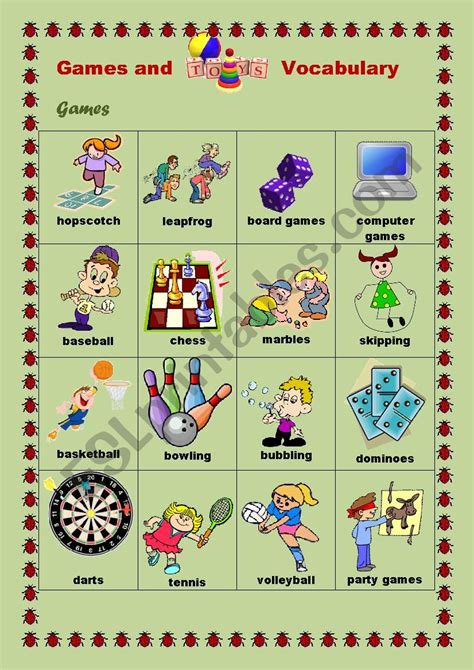
- Educational Games: Games serve as excellent learning stimuli, creating a positive and engaging environment for foreign language acquisition. They are particularly effective in lowering performance anxiety and increasing curiosity for all students. Examples include English Memory games, which can be purchased or created at home.
- Collaborative Homework: Engaging in paired writing activities can provide reassurance to even the most hesitant students, fostering the exchange of skills and knowledge transfer.
The Advantages of Studying English with a Tutor
Students with learning disabilities can benefit immensely from the personalized support offered by a tutor. These advantages include:
- Personalization: A tutor can tailor lessons and teaching strategies to the specific needs of the student, providing an individualized approach that accounts for their unique learning styles.
- Clear and Repeated Explanations: Tutors can offer clear and repeated explanations of concepts, aiding the student's comprehension and retention. Repetition and clarity are vital for memorization and understanding.
- Emotional Support: A tutor can provide emotional and motivational support, helping the student overcome any frustrations or challenges related to their learning disability. This support can significantly boost the student's confidence and self-esteem.
Tutors are instrumental in making English learning stimulating and effective by offering competent and prepared instruction, personalized study methods, the utilization of compensatory tools, flexible lesson scheduling, and prompt teacher placement.
Conclusion
For individuals facing the challenge of learning English with SLDs, adopting targeted teaching approaches and appropriate support tools is essential. The assistance of a specialized tutor can make a significant difference, offering personalized guidance and teaching strategies adapted to specific needs. Choosing a supportive learning environment, whether online or in person, guarantees quality, effective, and personalized learning. English is universally recognized as a passport to the world, indispensable for both professional and daily life. Its widespread use in commerce, tourism, technology, science, the internet, and media makes its study a crucial part of educational pathways. However, like all foreign languages, it can pose significant difficulties for students with SLDs. The emotional dimension of learning, especially a foreign language, is particularly important and should not be underestimated. A strategic approach for students with SLDs involves valuing and utilizing diverse forms of language that differ from purely written methods.